ANSI A6 vs A9: Which Cut Level Do You Actually Need?
If you remember one thing from this guide: the highest cut level on the chart is rarely the right answer. The right level is the one that matches the threat your team actually faces — and going higher than necessary usually means a heavier, stiffer garment your staff are less likely to keep on through a full shift.
Cut resistance is measured on a scale, and like any scale, buyers assume bigger numbers are better. With protective clothing that instinct can quietly cost you comfort, budget, and compliance — because the most protective garment is the one that actually gets worn.
How the ANSI/ISEA 105 cut scale works
In North America, cut resistance is graded under the ANSI/ISEA 105-2016 standard using the TDM-100 test method: a blade is drawn across the fabric under increasing load until it cuts through, and the result is recorded as the grams of force required. More force needed = higher level, from A1 (lowest) to A9 (highest).
| Level | Cutting force | Typical use |
|---|---|---|
| A1 | 200–499 g | Light assembly, general handling |
| A2 | 500–999 g | Packaging, light material handling |
| A3 | 1,000–1,499 g | Small parts, light glass/metal |
| A4 | 1,500–2,199 g | Metal handling, automotive |
| A5 | 2,200–2,999 g | Heavier metal stamping, sharp edges |
| A6 | 3,000–3,999 g | Cut-Tuff® Core — institutional protective wear |
| A7 | 4,000–4,999 g | Heavy glass, sharp sheet metal |
| A8 | 5,000–5,999 g | Extreme industrial cut hazards |
| A9 | 6,000 g+ | Maximum industrial cut hazards |
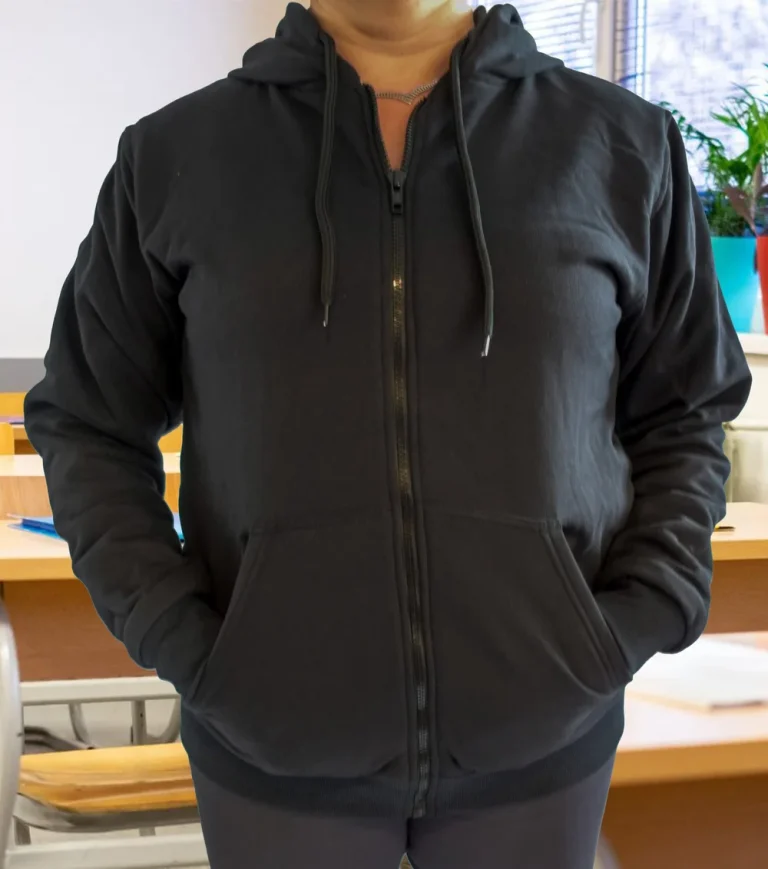
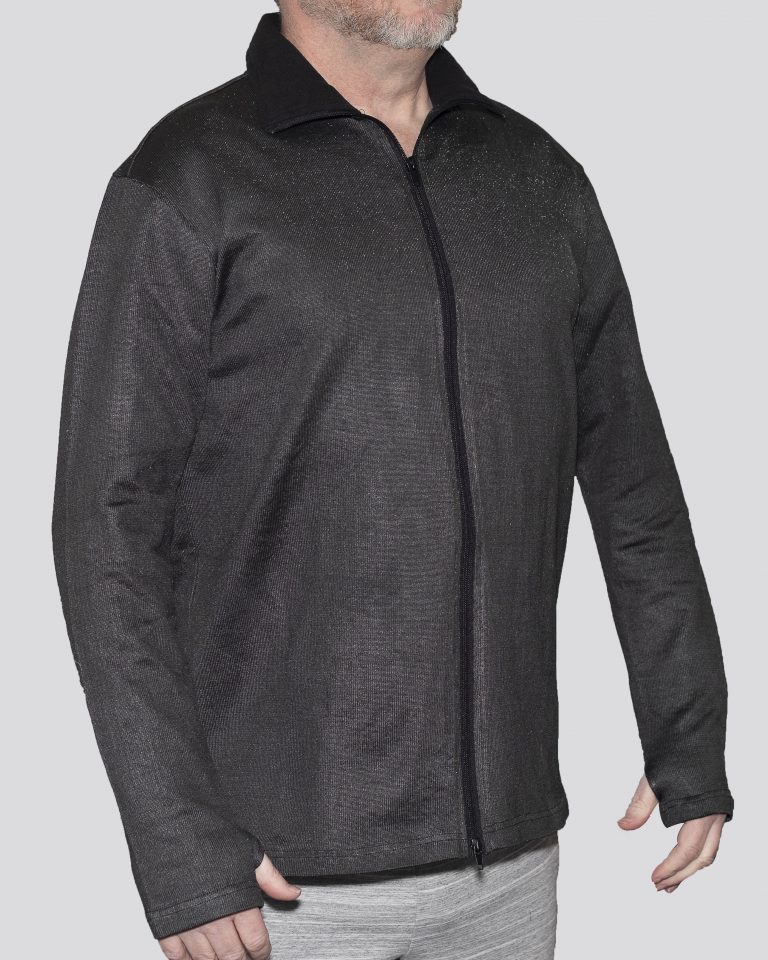
BAC Tactical’s Cut-Tuff® Core garments are rated ANSI A6 — requiring 3,000–3,999 grams of force to cut through — and independently lab-tested by Groupe CTT Inc. in Quebec, Canada.
What A6 actually protects against
ANSI A6 sits in the upper tier of the scale. In practical terms, it resists the slashing and drawing-blade contact that staff encounter in real institutional settings: an edged object dragged across a forearm, a slash during a search, contact with a sharpened improvised weapon. It is engineered to dramatically reduce the risk of the blade reaching skin.
What no cut level does is make a garment “knife-proof.” Cut resistance measures slashing protection, not a focused stab — those are different threats measured by different tests. (More on that in our guide to stab vs cut vs bullet resistance.)
The European equivalent: EN ISO 13997 Level F
You’ll often see two ratings on the same spec sheet. Alongside the ANSI grade, European cut resistance is measured under EN ISO 13997 and graded A through F, with F the highest. Cut-Tuff® Core is rated Level F — the maximum. When a product carries both A6 (ANSI) and Level F (EN ISO), you’re looking at top-tier cut performance under both North American and European test regimes. Our full Protection Standards guide breaks down every rating.
So when would you actually need A7–A9?
A7 through A9 exist primarily for industrial cut hazards — glass handling, sharp sheet-metal stamping, blade manufacturing. Those environments involve repeated, high-force contact with genuinely sharp edges, and the extra material weight is justified.
For schools, healthcare, corrections, and security work, the threat profile is different: human bites, scratches, improvised edged weapons, and slashes during physical aggression. A6 is engineered for exactly that profile. Specifying A8 for a special-education classroom doesn’t add meaningful protection against those threats — it adds bulk and cost.
Match the level to your threat profile
- Schools & special education: bites, scratches, pinches. A6 covers it, in discreet everyday-wear garments.
- Healthcare & behavioral health: patient aggression, bites, improvised sharps. A6 plus puncture protection.
- Corrections & law enforcement: shanks and edged improvised weapons. A6 cut plus EN 388 Level 4 puncture is the relevant combination.
The comfort trade-off nobody mentions
Every step up the cut scale generally means denser, heavier fabric. In a warehouse that’s fine. On a paraprofessional wearing arm guards for a seven-hour school day, or a nurse on a full shift, weight and breathability decide whether the garment stays on. A6 in a breathable, latex-free, machine-washable build is a deliberate balance: high protection that staff will actually wear all day. Protection only works when it’s being worn.
Frequently asked questions
Is ANSI A6 enough for corrections or law enforcement?
For cut and slash threats, A6 is top-tier. For pointed-weapon threats (shanks, spikes), you also want puncture resistance — Cut-Tuff® Core carries EN 388:2016 Puncture Level 4 (the maximum) alongside its A6 cut rating.
What’s the difference between ANSI A6 and EN ISO Level F?
They’re two different test standards measuring the same property. A6 is the North American (ANSI/ISEA 105) grade; Level F is the European (EN ISO 13997) grade. Cut-Tuff® Core holds the top institutional tier on both.
Does a higher cut level mean better all-around protection?
No. Higher cut levels resist slashing force better but don’t address puncture, bite, or impact — and they add weight. Match the level to your actual threat profile rather than defaulting to the top of the chart.
Written by the BAC Tactical team. BAC Tactical (Body Armour Canada Ltd.) supplies independently lab-tested cut, slash, bite, and puncture-resistant clothing to schools, healthcare, corrections, and law enforcement across the U.S.A. Questions about specifying the right level for your team? Email sales@bac-tactical.com or see our Protection Standards guide.